


Pokémon Blue, alongside Pokémon Red, introduced the world to a new era of adventure, collection, and friendly rivalry. Launched for the Game Boy in the mid-90s, it sparked the phenomenon that still defines the franchise today.
Whether you are revisiting Kanto or exploring it for the first time, these cartridges hide surprising stories that shaped how millions of trainers fell in love with Pokémon.
Here are ten fascinating insights into Pokémon Blue that highlight its lasting impact on games and pop culture.
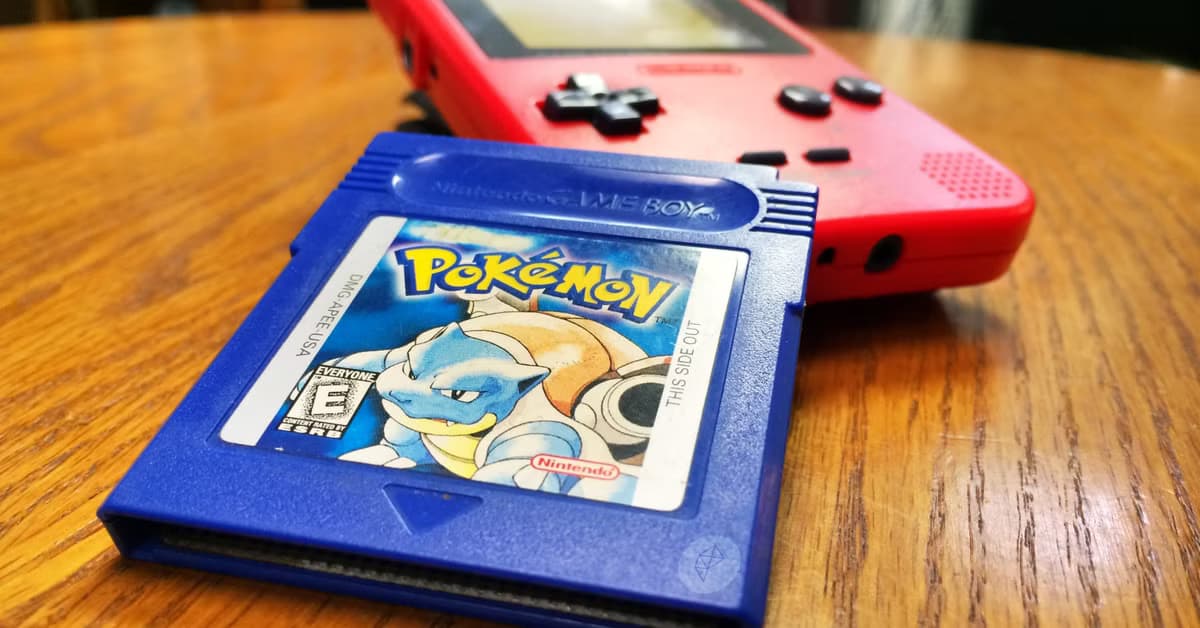
1. A Polished Special Edition for Japan
In Japan, Pokémon Blue arrived after Pokémon Red and Green as a special edition with revamped sprites and script tweaks. Those improvements became the foundation for the international release, delivering the refined experience the West now associates with the original games.
By the time the rest of the world received Pokémon Blue, it had already evolved into a sleeker version that accelerated the brand’s global explosion.
2. The Legend of MissingNo.
Few glitches are as infamous as MissingNo. Surfers hugging the coast of Cinnabar Island could encounter this glitch Pokémon after completing the Old Man tutorial in Viridian City.
Capturing or even seeing MissingNo. could distort item counts and hall-of-fame data, but the myth cemented itself as a badge of honor among curious players.
3. Lavender Town’s Urban Legend
Lavender Town inspired an early internet myth dubbed the “Lavender Town Syndrome,” claiming the unsettling tune triggered negative reactions in children. While debunked, the eerie atmosphere and ghost lore left a chilling mark on players everywhere.
The town’s theme continues to be remixed, referenced, and revered for its haunting tone.
4. Real-World Inspirations
Series creator Satoshi Tajiri translated his childhood hobby of insect collecting straight into gameplay. Pokémon Blue channeled that thrill of cataloging rare finds and sharing discoveries with friends.
The concept of “Gotta Catch ’Em All” is rooted in that nostalgic obsession with filling a collection.
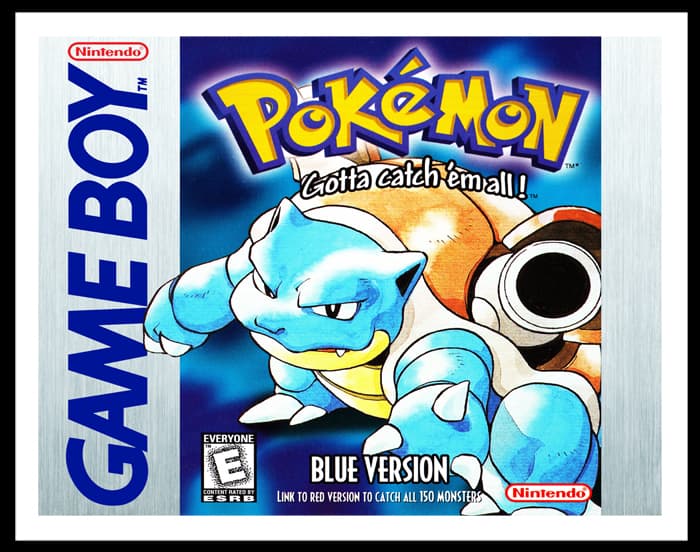
5. Professor Oak’s Hidden Battle
Deep within the code sits an unused battle against Professor Oak. Hackers discovered the encounter years later, revealing a well-rounded team that hints at earlier design experiments for the game’s finale.
It’s a tantalizing “what if” that keeps fans guessing about Oak’s true strength.
6. Sprite Differences Across Regions
Subtle sprite differences separate the Japanese and international versions. Many adjustments were made to better align with hardware limitations and aesthetic expectations in different markets.
These artistic tweaks illustrate just how much care went into adapting Pokémon for a worldwide audience.
7. The Seeds of Competitive Play
Although primitive compared to modern formats, Pokémon Blue laid the groundwork for competitive battling. Types, status effects, and deeper move pools gave players strategic tools that would blossom in later generations.
Link battles tested rivalries, showcasing the thrill of pitting carefully trained squads against one another.
8. From Link Cables to Worldwide Trades
Trading and battling via the Game Boy Link Cable was revolutionary. Completing the Pokédex meant connecting with friends, building the community spirit that still defines the franchise today.
Those humble cables paved the way for wireless trades, online battles, and global tournaments.
9. Pallet Town’s Iconic Opening
Starting in Pallet Town is a memory etched into countless childhoods. The quiet hometown symbolized endless opportunity, inviting players to step into a world brimming with mystery.
That gentle introduction continues to be one of gaming’s most recognizable openings.
10. A Legend That Still Inspires
Pokémon Blue remains a cornerstone of gaming history. Its imaginative designs, sense of discovery, and social gameplay mechanics still influence new releases.
Whether replayed on original hardware or through modern collections, the magic of Pokémon Blue endures.
If Pokémon Blue was your first cartridge, consider revisiting Kanto and reliving the music, mysteries, and rivalries that started it all.
Share your favorite Pokémon Blue memory with fellow Trainers—the nostalgia is half the fun.
