

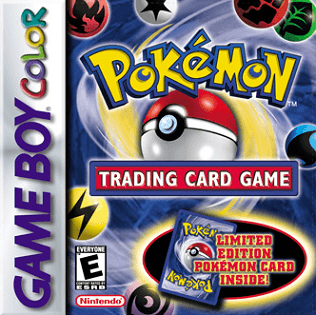
The Pokémon Trading Card Game for Game Boy Color is a landmark title that successfully translated the physical card game into a digital format. Released in 1998, this adventure let trainers collect, trade, and duel with their favorite cards anywhere they went.
Whether you kept a binder of holographics or experienced the series purely through your Game Boy, this cartridge captured the heart of the trading card scene inside a glowing handheld screen.
Here are ten fascinating facts about the Pokémon Trading Card Game for Game Boy Color that prove why it remains a retro fan favorite.
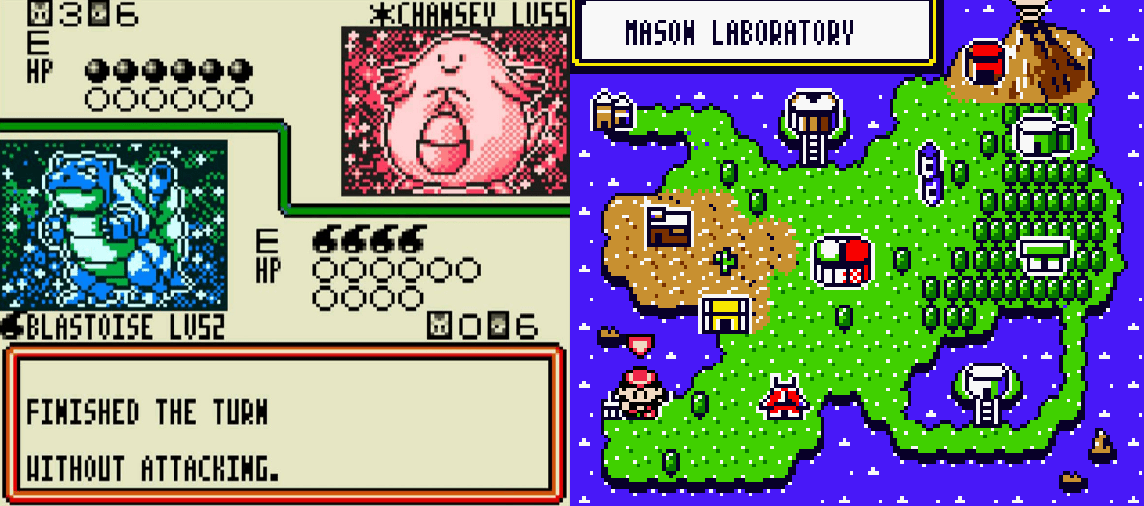
1. It Was the First Digital TCG Adaptation
The Pokémon Trading Card Game for Game Boy Color was one of the earliest successful translations of a real-world TCG into a handheld experience. It paved the way for future digital card battlers by proving the format could thrive on portable hardware.
2. The Game Featured Over 200 Different Cards
Players could collect and duel with more than 200 unique cards, each featuring the same abilities and energy costs found in the physical sets. The generous pool encouraged inventive deck building and mirrored the tabletop meta.
3. You Could Trade Cards With Other Players
Link Cable trading let friends swap cards just like they would in the schoolyard. Completing a digital collection still relied on real-life connections, preserving the social heartbeat of the TCG.
4. The Game Included Strategic Deck Building
The campaign demanded smart builds. Trainers needed the right blend of Pokémon, Trainer cards, and Energy to stay competitive—no button mashing or random luck could carry you to victory.
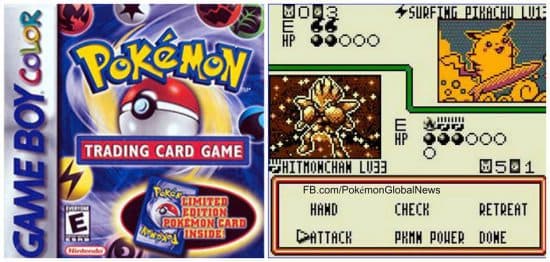
5. There Were Multiple Booster Sets to Unlock
Base Set, Jungle, and Fossil boosters appeared as in-game rewards. Each new set introduced fresh deck cores and tech cards, motivating players to keep challenging clubs and tournaments.
6. The AI Opponents Had Different Strategies
Rivals came prepared with themed decks, from aggressive fire blitzes to patient control builds. Studying their play styles was essential to countering their tactics and snagging their medals.
7. Card Rarity Mirrored the Physical Game
Digital boosters respected rarity tiers, so rare and holographic pulls still felt electric. The thrill of flipping a shiny Charizard stayed intact even without cardstock.
8. The Game Had Impressive Sprite Graphics
For a Game Boy Color release, the vibrant card art and snappy attack animations were impressive. Pokémon sprang to life with compact sprites that sold every attack and ability.
9. Tournaments and Prizes Were Available
Endgame tournaments rewarded rare promos and bragging rights. The structure celebrated the real-world competitive scene and encouraged mastery beyond the main story.
10. It Remains a Beloved Retro Classic
Decades later, the Pokémon TCG for Game Boy Color is still celebrated as a stellar adaptation. It balanced nostalgia, strategic depth, and portable convenience long before digital card games became standard.
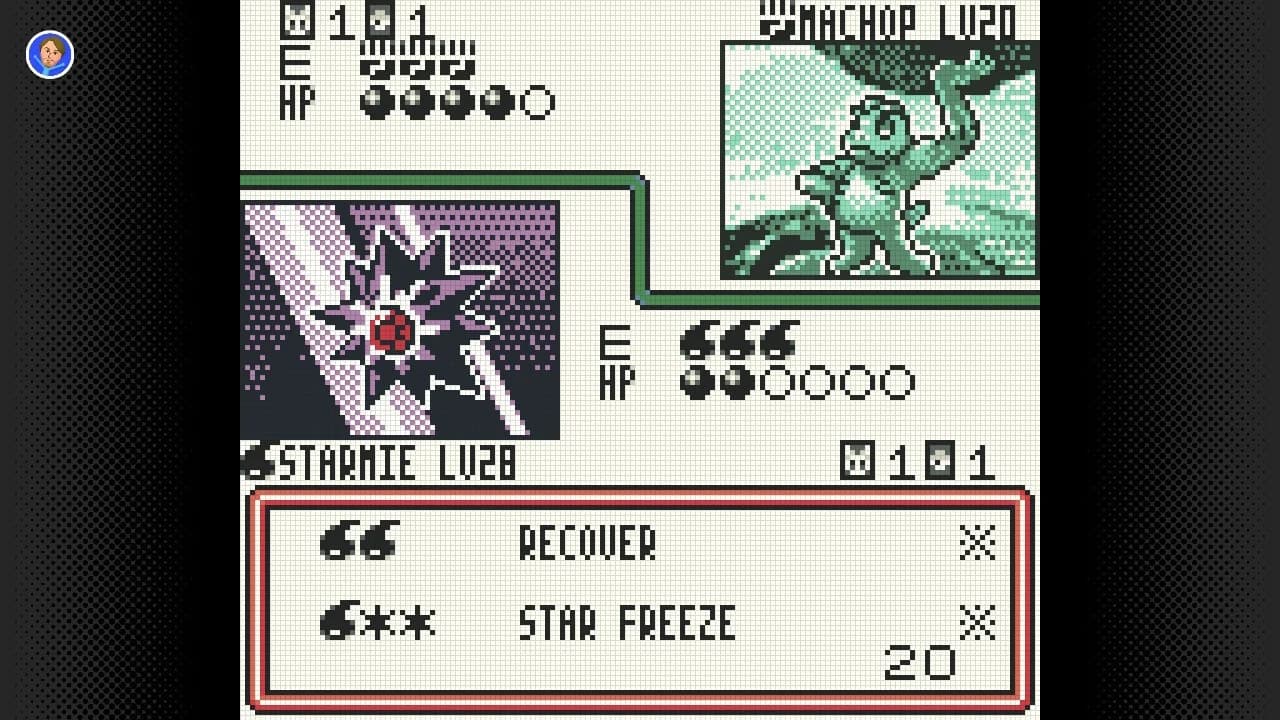
The Pokémon Trading Card Game for Game Boy Color showed that handheld systems could host deep, strategic experiences without sacrificing the charm of in-person play.
If you still own the cartridge—or rediscover it on a retro handheld—boot it up and relive the duels that made your deck-building brain tick.
What are your favorite memories from the Game Boy Color TCG era?
