

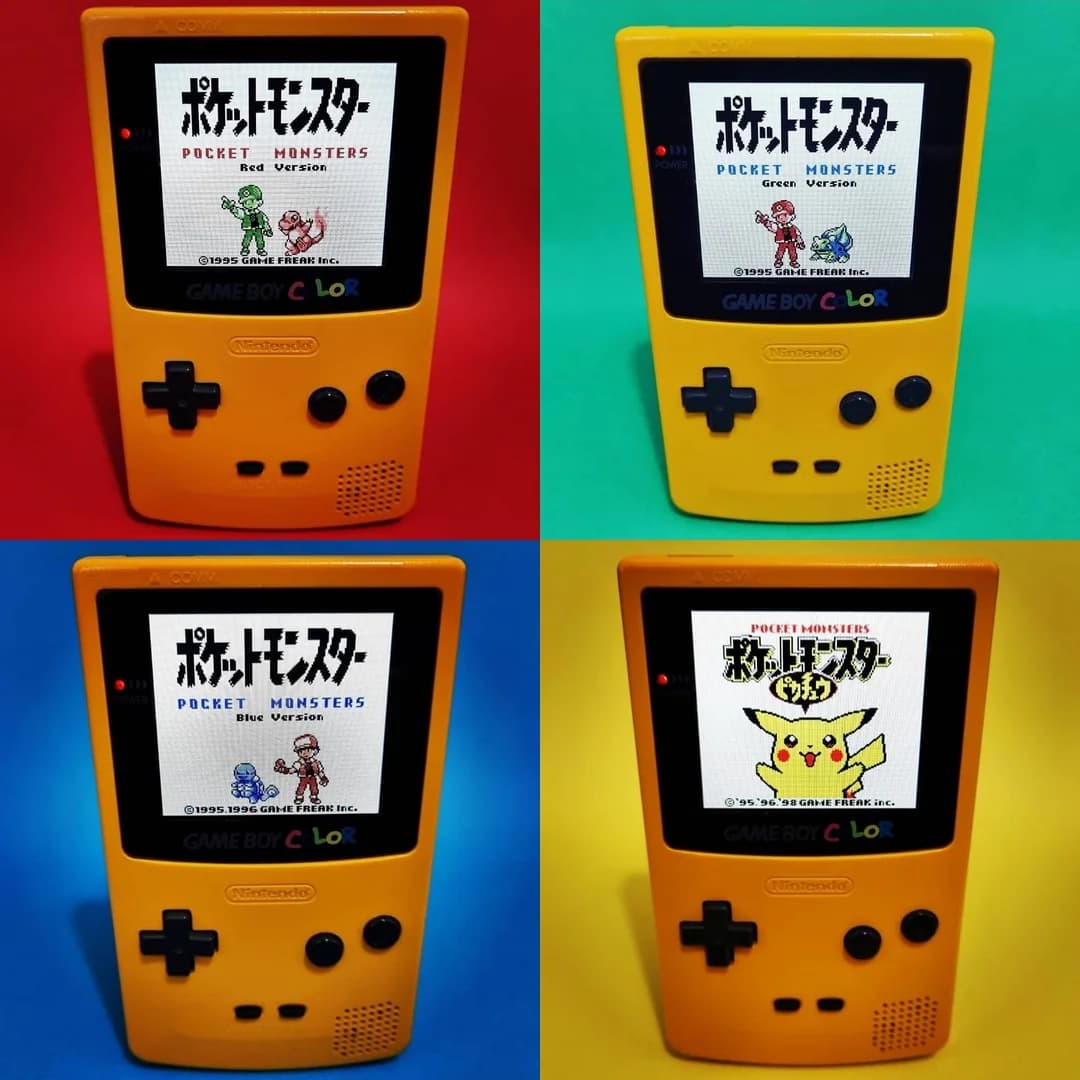
When Pokémon crossed the Pacific, the games were reimagined to resonate with a brand-new audience. From rewritten scripts to redesigned sprites, localization turned a cultural phenomenon into a global one.
Exploring those adjustments offers a deeper appreciation of the teams who transformed Pocket Monsters into Pokémon.
Here are ten stand-out differences between the original Japanese releases and their English counterparts.
1. A Complete Renaming Effort
Nintendo of America rebuilt the Pokédex vocabulary from the ground up. Sidon became Rhydon, Windie became Arcanine, and countless other names were reinvented to be memorable, pronounceable, and descriptive for English-speaking players.
The new names struck a chord and quickly became the definitive identities for each Pokémon worldwide.
2. Dialogue and Character Voices Were Rewritten
While the hero still went by Red, major rivals and supporting characters received new names and personalities. Green’s edgy persona was softened into Blue, and much of the NPC dialogue was refreshed to match Western storytelling beats.
Cultural jokes and references were either adapted or replaced so the narrative stayed clear and engaging.
3. Sprite Adjustments for New Audiences
Many sprites received subtle tweaks—altered colors, changed expressions, or refined poses—to read more clearly on hardware and to sync with Western aesthetics.
Though the changes were small, together they polished how monsters appeared to millions of new Trainers.
4. Items and Moves Received New Names
Item names with strong Japanese cultural ties were renamed to more universal terms. Descriptions were rewritten so players instantly understood the mechanics, even without prior exposure to Japanese media.
The localization team balanced clarity with flavor, making each item feel purposeful and exciting.
5. Gameplay Balance Saw Quiet Tweaks
Power levels, damage values, and trainer AI routines saw minor adjustments. These tweaks tuned the challenge curve for Western preferences and ensured the early-game pacing felt rewarding.
6. Censorship and Visual Changes
Content flagged as sensitive—such as religious symbolism or suggestive imagery—was redrawn or removed. The edits made the experience more comfortable for a broad audience and avoided controversies that could derail the launch.
7. Pokédex Entries Were Reimagined
Japanese entries often leaned on scientific descriptions, while English versions embraced playful, personality-driven blurbs. The result gave each Pokémon a fresh sense of character and helped players emotionally connect with their teams.
8. Region and City Names Shifted
Some city names were translated directly, but others were renamed to evoke vibrant imagery for Western players. The localized geography emphasized colors, minerals, and moods that mirrored the spirit of the original designs.
9. Story Flow Was Rebalanced
Tutorials, pacing, and exposition were massaged so newcomers could absorb mechanics quickly. The adjustments made sure players unfamiliar with Game Boy RPGs still felt guided from Pallet Town to the Elite Four.
10. Marketing and Cultural Framing
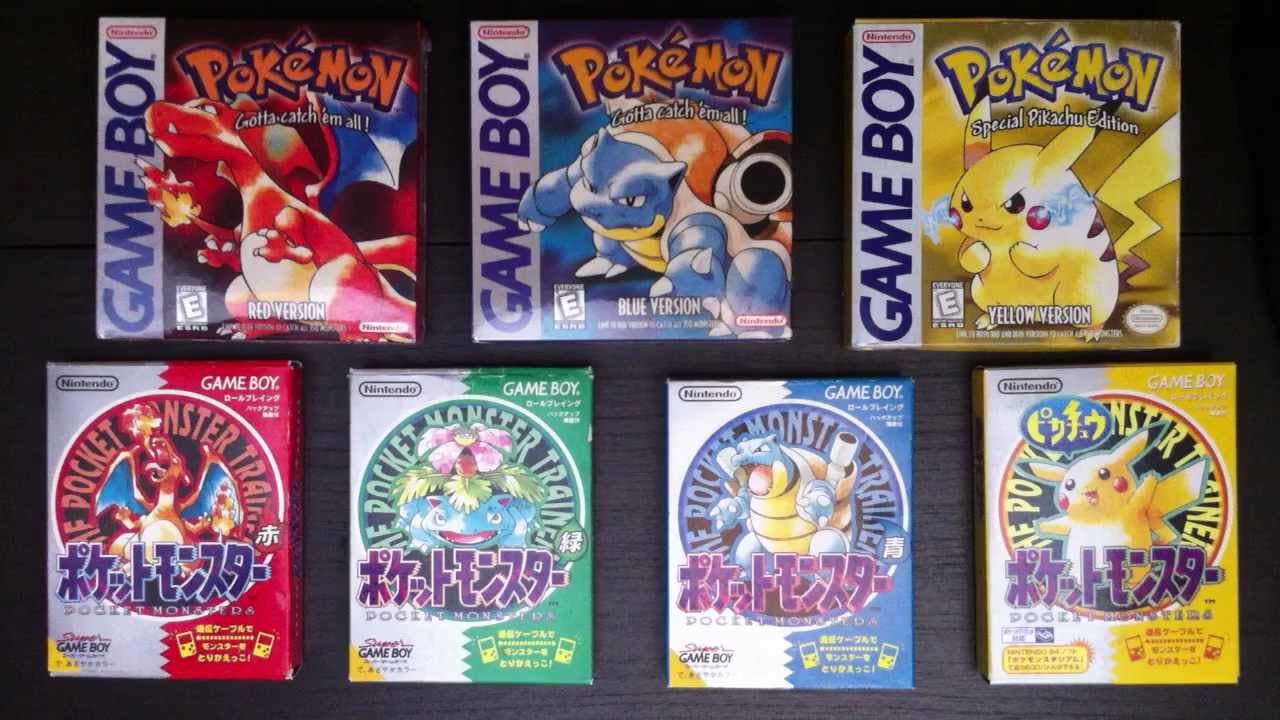
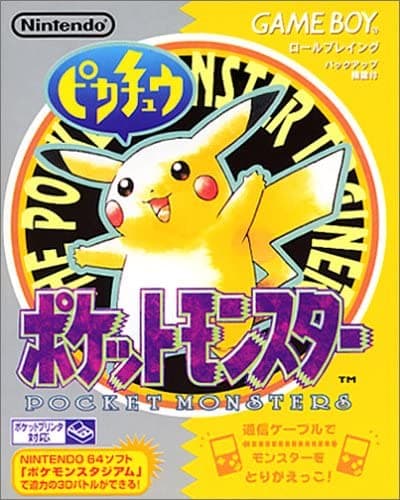
Box art, commercials, and press materials positioned Pokémon differently overseas. Multiplayer features and trading were spotlighted, highlighting the social adventure that would define the series.
Localization was more than translation—it was thoughtful adaptation. By reshaping names, tone, and presentation, Pokémon became ready for the world.
If you’ve experienced both versions, share which details surprised you the most.
